Chiang Rai
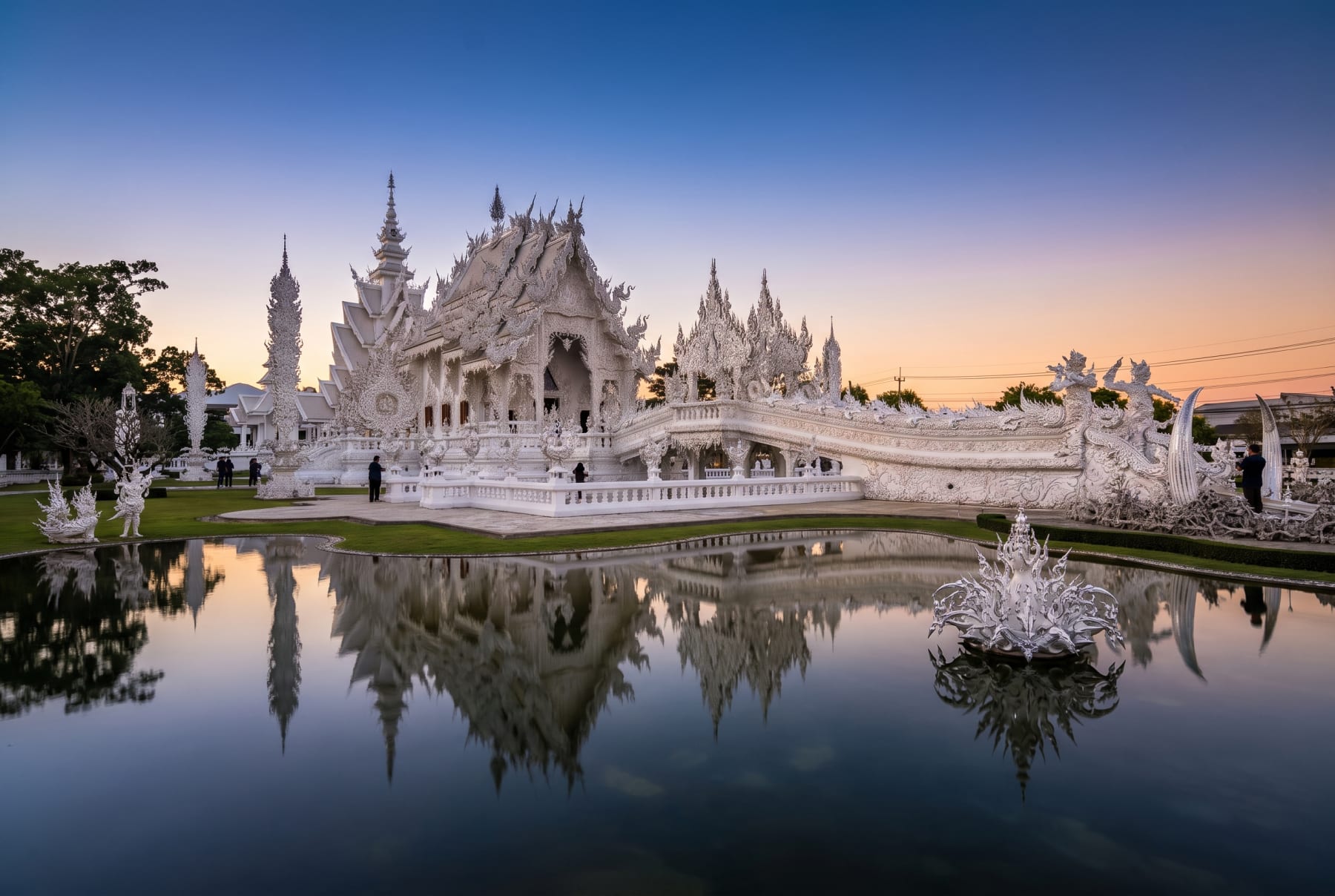
Chiang Rai is Thailand's northernmost major city, positioned near the Golden Triangle where Thailand, Myanmar, and Laos meet. Significantly quieter than Chiang Mai, it attracts a smaller but committed expat community drawn by its cool highland climate, genuine small-city pace, and proximity to interesting cross-border territory.
Who Lives In Chiang Rai Long-Term
Chiang Rai's expat community is smaller and less structured than Chiang Mai's but includes: retired couples seeking genuine quiet and low cost, NGO and development workers (the region has a long humanitarian aid history due to border populations), artists and craft practitioners attracted by the White Temple (Wat Rong Khun) and the growing arts culture around artist Chalermchai Kositpipat's broader influence on the local creative scene.
Chiang Rai is not a digital nomad hub — coworking infrastructure is minimal. It suits those who are genuinely here for the lifestyle, not for networking or the startup community.
Best Areas To Live
Chiang Rai Town (city centre): walkable, affordable, close to the Night Bazaar and the Chiang Rai Clock Tower area. Mix of apartments, guesthouses, and older houses. 1BR apartment: 6,000–13,000 THB/month.
Rong Khun area (south): close to the White Temple. More villa-style housing, quieter. 2BR house: 10,000–20,000 THB/month.
Mae Chan / Mae Suai (countryside north and south of city): for those who want a house with land. Rural settings, significantly lower rents, but requires a car. House: 8,000–18,000 THB/month.
Border — Mae Sai (Myanmar)
Mae Sai, 60 km north of Chiang Rai city, is a common border run point for Chiang Rai expats — the Tachileik (Myanmar) crossing is a few minutes on foot. Border runs here are straightforward but increasingly scrutinised for patterns of consecutive exemption entries. As with all border runs, transitioning to a proper long-stay visa is advisable for those staying longer than 3–4 months.
Immigration
Chiang Rai Immigration Office (near the city, Singhaklai Road area): handles all Non-OA, Non-O, Non-B, DTV extensions and 90-day reporting for the province. Manageable queue relative to Chiang Mai. Annual extension processing here for provincial residents.
Healthcare
• Overbrook Hospital (AKA Chiangrai Ram Hospital, city centre): the main international-capable hospital. English-speaking staff, adequate for most expat medical needs. • Chiang Rai Prachanukroh Hospital: large public hospital; cheaper but longer waits. • For complex cases: Chiang Mai is 3 hours by bus or car — Bangkok Hospital Chiang Mai or Chiang Mai Ram are the referral destinations.
Transport
Car or motorbike recommended. Songthaews serve the city for short trips. Chiang Rai to Chiang Mai: 3 hours by bus (150 THB) or minivan (180 THB). Chiang Rai International Airport: direct flights to Bangkok Don Mueang (1 hour), Chiang Mai (30 min), and some international routes to China and regional hubs.
Cost Of Living (August 2026 Estimates)
1BR apartment (city centre): 7,000–10,000 THB/month Local meal: 40–60 THB; restaurant meal: 150–300 THB/person Total monthly budget, comfortable single: 19,000–36,000 THB (the wide range reflects genuinely different lifestyle tiers across current sources, not disagreement between them)
Chiang Rai remains one of the most affordable long-stay destinations in Thailand for those who prioritise quiet living over urban amenities. Its burning season (roughly February–April) affects air quality — worth budgeting for an air purifier if you are sensitive to it.
General guidance, drawn from three independent cost-of-living sources (May–August 2026). No dated, defensible house-rental or grocery-total figure is currently available — ask us for a current comparison.
Visa services we handle
Check stays in Chiang Rai
Immigration office
Chiang Rai immigration office
Confirm the local immigration office, hours and required documents with the Thailand Immigration Bureau before visiting.
Need visa help in Chiang Rai?
Check eligibilityVisa rules, office locations and hours change — our specialists verify the current details with the Thailand Immigration Bureau for your case.