Koh Samui
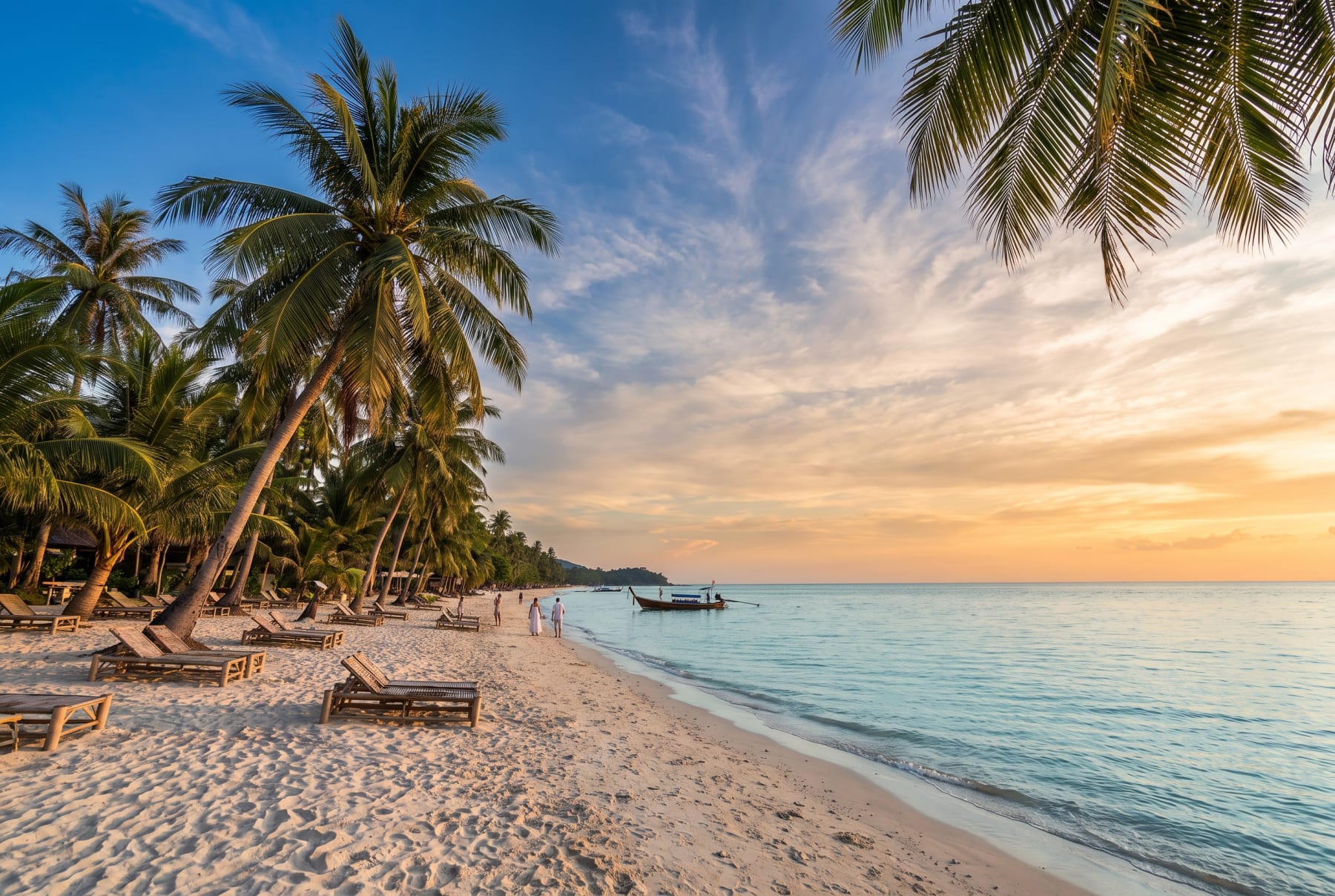
Koh Samui is Thailand's second-largest island and its most developed island destination for long-stay foreign residents. With its own airport, two private hospitals, an international school, and a well-established Immigration office, Koh Samui supports year-round expat living rather than just seasonal tourism.
Why Expats Choose Koh Samui
Unlike smaller Thai islands that require a ferry and offer limited infrastructure, Koh Samui has direct flights to Bangkok (hourly, 1 hour) and to regional hubs including Singapore. The island has been building its international services since the 1990s and today supports a resident expat population of several thousand — primarily retirees on Non-OA visas, remote workers on DTV, and tourism-industry professionals on Non-B.
The tradeoff: Koh Samui is more expensive than the mainland for comparable housing, and the island lifestyle requires a car or motorbike (no public transit). During low season (October–November), weather can be rough on the east coast. Most long-term residents gravitate to the north and west coasts which are calmer during the northeast monsoon.
Best Areas For Long-Stay Expats
Bophut (north coast): the most popular expat residential area. Bophut Fisherman's Village has restaurants, boutiques, and a Saturday walking market. Close to Bangkok Samui Hospital. Mix of houses and condos. 1BR condo: 12,000–22,000 THB/month. Sea-view villas: 30,000–60,000 THB/month.
Maenam (north coast): quieter than Bophut. Long calm beach, lower density. Local markets, good value for money. 1BR: 10,000–18,000 THB/month. Popular with Non-OA retirement visa holders.
Chaweng (east coast): the tourist hub. High energy, most services, but loud nightlife zone makes it less suitable for residential long stay. Some expats in quieter Chaweng Noi, away from the main strip.
Lamai (southeast): halfway between tourist and residential. More affordable than Chaweng with a longer beach. 1BR: 10,000–20,000 THB/month.
Immigration
Koh Samui Immigration (Na Thon area, near the ferry terminal): handles Non-OA, Non-O, Non-B, DTV extensions, 90-day reports for the island. Manageable queue by Thai standards. Friendly reputation compared to some larger offices. DTV 180-day extensions are processed here.
Healthcare
• Bangkok Hospital Samui (Chaweng area): the main international-standard hospital. English-speaking, direct billing with international insurers. Full emergency care. • Samui International Hospital (Chaweng): second option; smaller but reliable for non-emergency care.
For complex or serious conditions, medical evacuation to Bangkok is standard — Bangkok Hospital Samui has its own medical aircraft arrangement.
Transport
No public transit. Motorbike (3,000–5,000 THB/month) or car (12,000–20,000 THB/month) is essential. Grab operates on Samui. Taxis are expensive by Thai standards (no meters — negotiate in advance).
Bangkok Samui Airport (Chaweng): private airport operated by Bangkok Airways. Exclusively Bangkok Airways and partner flights — no budget airlines. Bangkok: 1 hour (multiple daily). Singapore: direct, 1.5 hours. Higher fares than Suvarnabhumi connections; factor into overall cost.
Alternative: Surat Thani Airport (mainland, 1 hour by ferry + 30-min drive) for budget airline connections via Don Mueang.
Cost Of Living (August 2026 Estimates)
1BR condo (Maenam/Bang Por): 10,000–18,000 THB/month; Chaweng/Bophut/Lamai: 15,000–25,000 THB/month Groceries: 4,000–8,000 THB/month Mid-range restaurant: around 500 THB/person Total monthly budget, comfortable single: 55,000–65,000 THB Total monthly budget, comfortable couple: around 70,000–80,000 THB (sources vary; treat as directional)
General guidance, drawn from local Koh Samui cost-of-living resources (April–July 2026 data).
Visa services we handle
Check stays in Koh Samui
Immigration office
Koh Samui immigration office
Confirm the local immigration office, hours and required documents with the Thailand Immigration Bureau before visiting.
Need visa help in Koh Samui?
Check eligibilityVisa rules, office locations and hours change — our specialists verify the current details with the Thailand Immigration Bureau for your case.