Pai
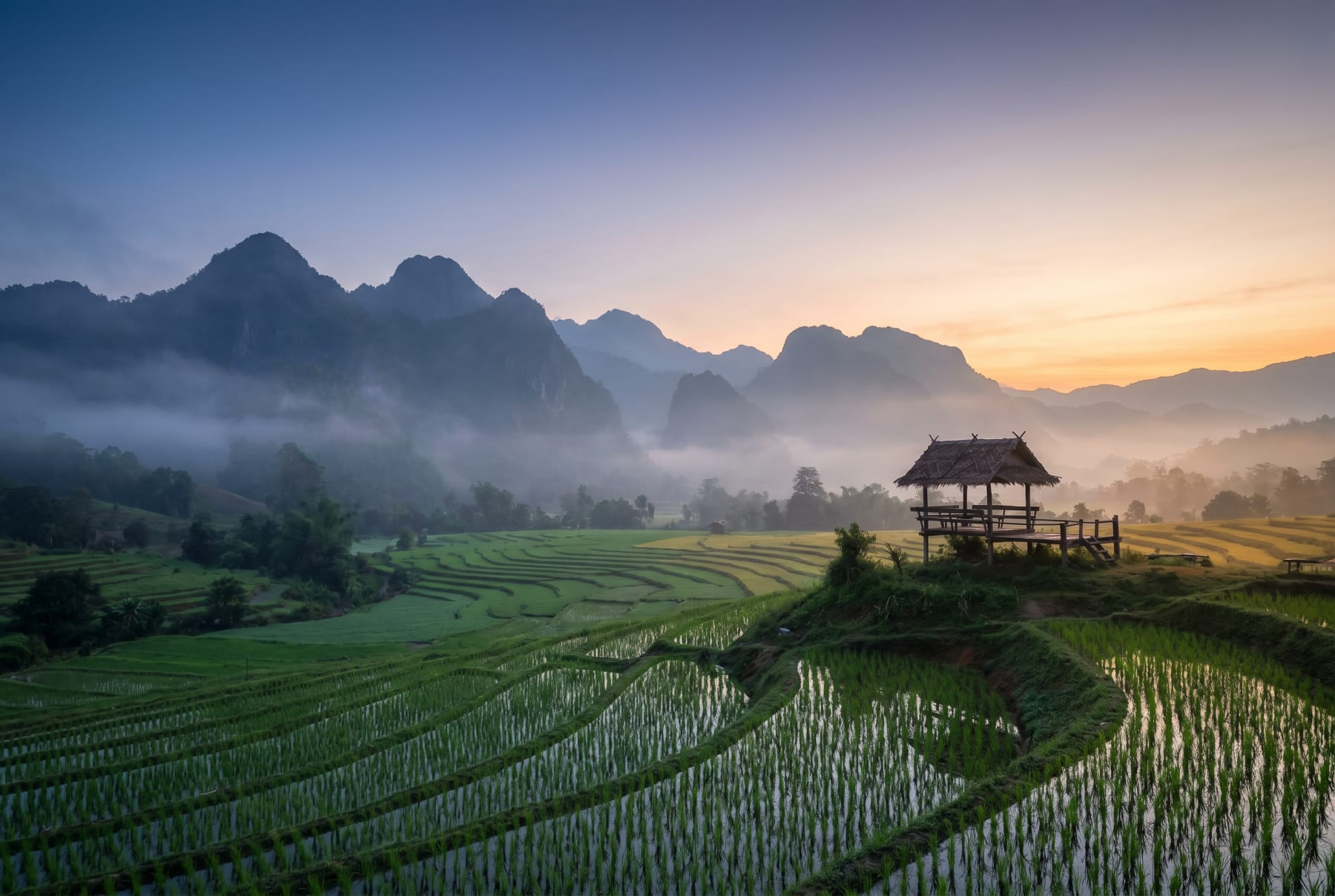
Pai is a small mountain town in Mae Hong Son Province, 130 km northwest of Chiang Mai. Once a backpacker waypoint, it has evolved into a long-stay destination for a particular type of expat: those seeking genuine quiet, cool highland climate, low costs, and a creative or wellness-oriented community — in exchange for accepting limited infrastructure.
Who Chooses Pai For Long-Stay
Pai is not for everyone. The town is small (population approximately 3,000 permanent residents), the road in is 762 curves through mountain passes (the "762 curves" are well-known among Thai road trippers), and the infrastructure is genuinely limited compared to Chiang Mai. Healthcare is the biggest constraint.
Who thrives in Pai: artists, writers, yoga practitioners, meditation practitioners, and DTV remote workers who prioritise peace, nature access, and low cost above convenience. The DTV makes long stays viable for remote workers who previously cycled between tourist visa runs.
The Pai Expat And Digital Nomad Community
Small, close-knit, and quite different from the coworking-and-coffee-shop culture of Chiang Mai or Bangkok. Pai has cafés with wifi but no dedicated coworking spaces of note. Many residents work from home or from the same handful of cafés on the walking street. Community forms around yoga studios, the weekly Walking Street market, and a few established bars and music venues.
Climate: Pai's highland position (altitude approximately 600m) means notably cooler temperatures than lowland Thailand — especially November–February when mornings and evenings can drop to 10–15°C. This is a significant draw for those who find Thai lowland heat oppressive.
Accommodation
Pai has a high ratio of bungalows and small guesthouses relative to modern condos. Long-term rental negotiations (3+ months) typically yield significant discounts on the standard nightly rate.
Walking Street / Vang Tai area: the centre. Walking distance to restaurants, market, bus station. Bungalow or studio: 4,000–10,000 THB/month on monthly rate. Rural outskirts (rice field/riverside): the most sought-after Pai accommodation. Standalone bungalows set in rice paddies with mountain views. 5,000–15,000 THB/month.
Immigration
Pai does not have its own Immigration office. All visa extensions require travelling to either Mae Hong Son town (2.5 hours south) or Chiang Mai (3 hours back toward the lowlands). Most Pai-based long-stay residents use Chiang Mai Immigration for extensions (Promenada mall). Budget a full day plus transport costs. 90-day reports can be filed online or by post.
Healthcare
Pai Hospital (government): adequate for basic injuries and minor illness. Not equipped for specialist care, major surgery, or complex conditions. Chiang Mai (3 hours) is the referral destination for anything serious. This is a non-negotiable consideration for older residents or those with health conditions requiring monitoring.
Transport
Motorbike is the primary transport (2,000–3,500 THB/month). The town is compact and walkable. The mountain road to Chiang Mai (Highway 1095) is scenic but demanding — especially at night or in rain. Bus from Pai to Chiang Mai: 3 hours, 100–150 THB. Minivan: 2.5 hours, 150–200 THB.
Pai Airport: very small, Cessna-class aircraft only. Not commercially operational for expat use.
Cost Of Living (August 2026 Estimates)
Bungalow/room (rice field or town area): 8,000–18,000 THB/month Local meal: 50–100 THB; restaurant meal: 150–400 THB/person Total monthly budget, comfortable single: 22,000–30,000 THB
Pai remains one of the cheapest long-stay bases in Thailand, though the Immigration commute to Chiang Mai adds cost and time. Its burning-season air quality (roughly February–April) is genuinely severe — worse than most of northern Thailand — so budget for an air purifier and N95 masks if you are staying through that window.
General guidance, drawn from independent cost-of-living sources (June–August 2026). No dated, defensible grocery-total figure specific to Pai is currently available.
Visa services we handle
Check stays in Pai
Immigration office
Pai immigration office
Confirm the local immigration office, hours and required documents with the Thailand Immigration Bureau before visiting.
Need visa help in Pai?
Check eligibilityVisa rules, office locations and hours change — our specialists verify the current details with the Thailand Immigration Bureau for your case.